Endometriosis Resources
Endometriosis Resources
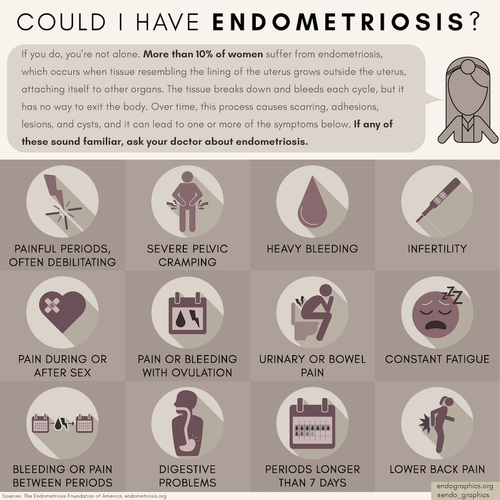
Endometriosis is a chronic condition where tissue similar to the uterine lining grows outside the uterus, causing pain, heavy periods, and infertility. 1 in 7 women have endometriosis — approximately 570 million worldwide.
Understanding Endometriosis
What is Endometriosis?
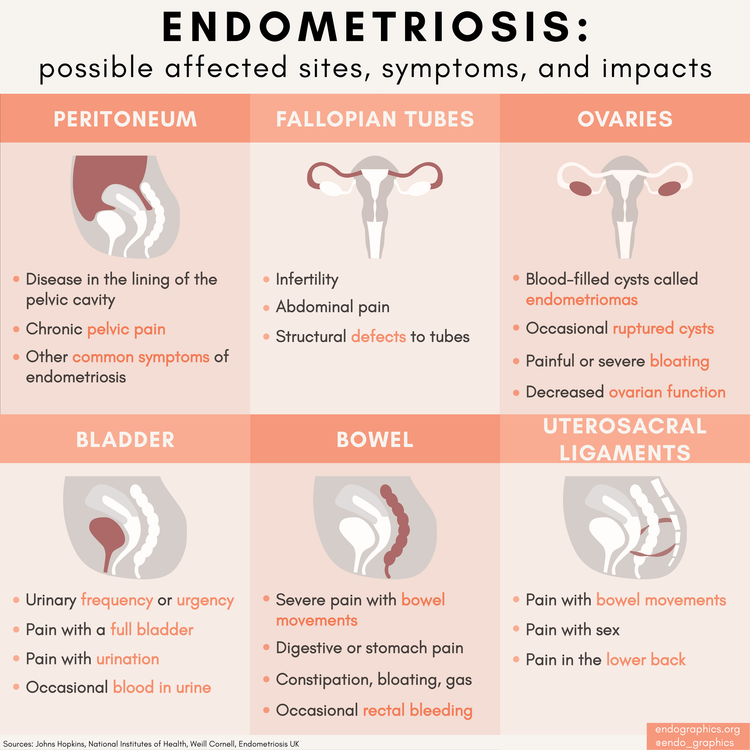
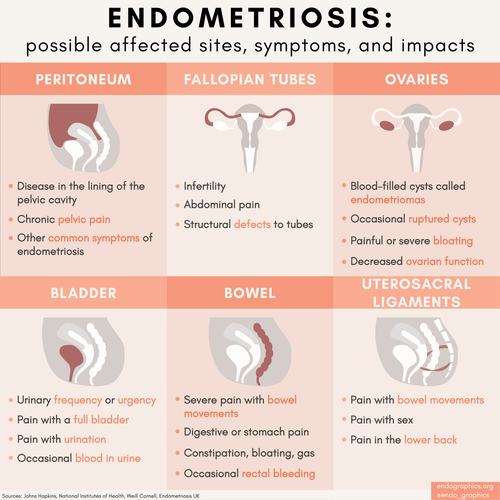
Endometriosis occurs when endometrial-like tissue grows outside the uterus, commonly on the ovaries, fallopian tubes, and pelvic lining. This tissue responds to hormonal changes during the menstrual cycle, causing inflammation, pain, and the formation of scar tissue.
Endometriosis Symptoms by Stage
| Stage/Type | Severity | Symptoms | Metastasis |
|---|
| Stage I (Minimal) | Mild | Mild or no pelvic pain; Possible infertility; Occasional dysmenorrhea | None |
| Stage II (Mild) | Mild to moderate | Moderate pelvic pain; Dysmenorrhea; Dyspareunia; Possible infertility | None |
| Stage III (Moderate) | Moderate | Chronic pelvic pain; Severe dysmenorrhea; Dyspareunia; Dyschezia; Infertility | Local spread |
| Stage IV (Severe) | Severe | Chronic, severe pelvic pain; Debilitating dysmenorrhea; Severe dyspareunia; Dyschezia; Dysuria; Infertility; Bowel/bladder dysfunction | Extensive local spread |
| Stage IV+ (Very Severe) | Very severe | All Stage IV symptoms, plus: Deep Infiltrating Endometriosis (DIE): Intense chronic pelvic pain; Severe dyspareunia; Dyschezia, bowel obstruction possible; Dysuria, hydronephrosis possible; Organ dysfunction depending on affected areas (e.g., bowel, bladder). Thoracic Endometriosis: Catamenial pneumothorax (lung collapse during menstruation); Hemoptysis (coughing up blood); Cyclic chest pain, shoulder pain, or dyspnea (shortness of breath); Hemothorax or pericardial effusion in severe cases | Extensive spread to deep tissues or distant sites such as the chest cavity |
Staging is not utilized universally, nor does staging denote the severity of pain and/or symptoms
Diagnosis
Current Diagnostic Methods
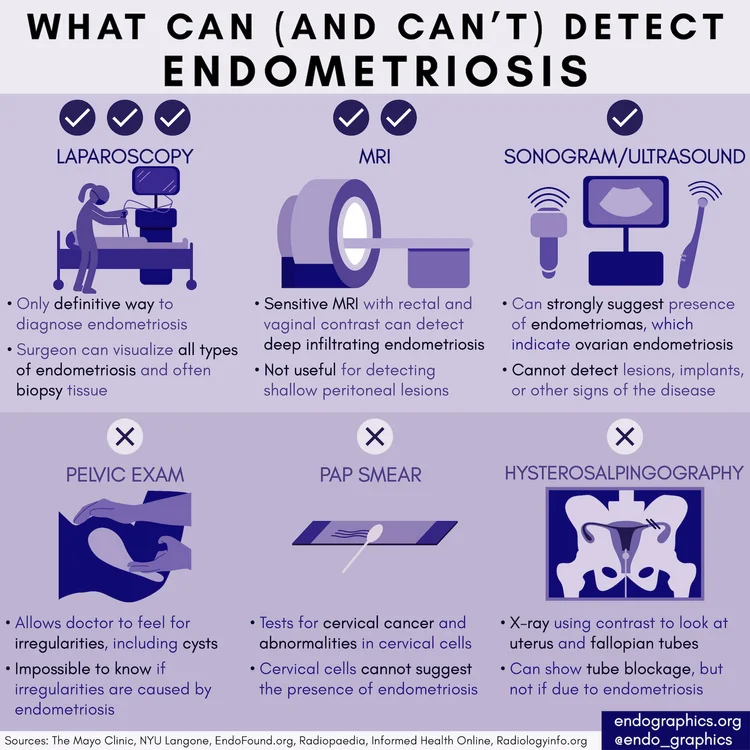
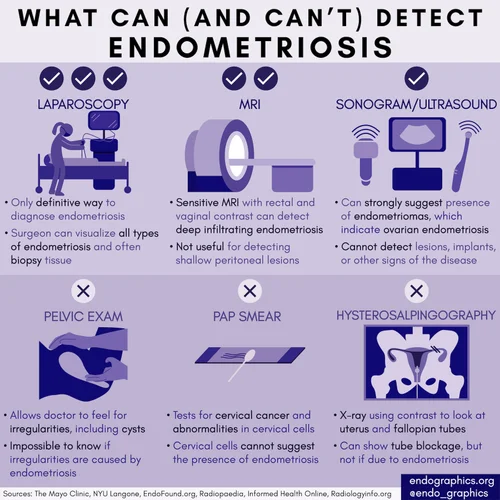
- Laparoscopy: Remains the gold standard for definitive diagnosis
- Imaging: MRI and ultrasound are used but may miss early or atypical cases
- Blood Tests: New non-invasive tests like Ziwig Endo Test and PromarkerEndo show promise in detecting biomarkers
Potential Indicators
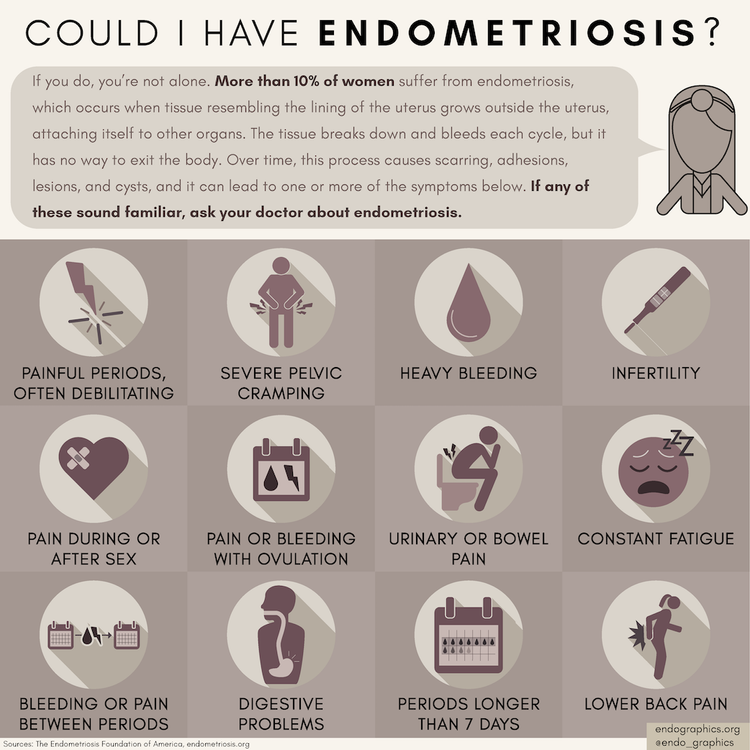
- Presence of Endometriomas - cysts filled with old blood
- Chronic pelvic pain
- Heavy menstrual bleeding
- Infertility
Treatment Options
Surgical Treatments
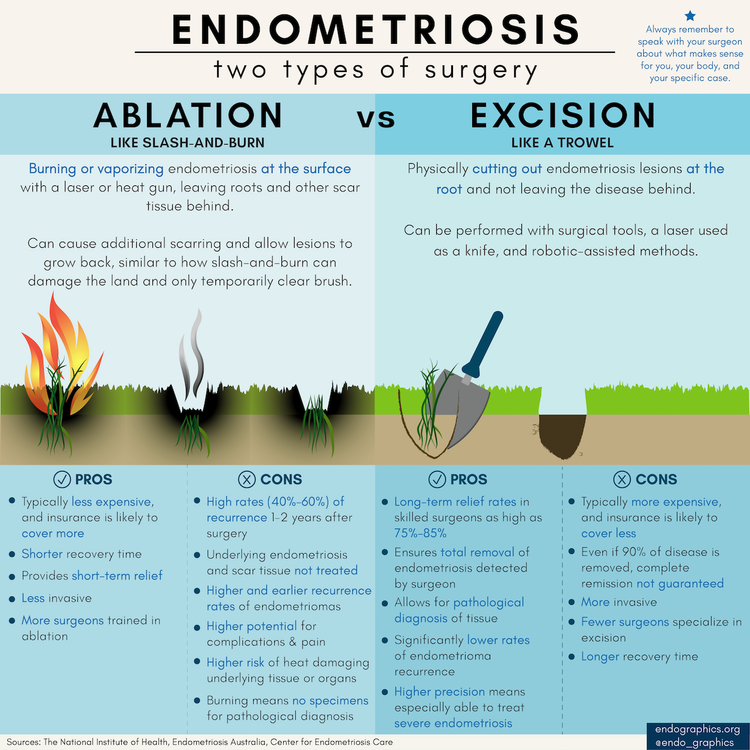
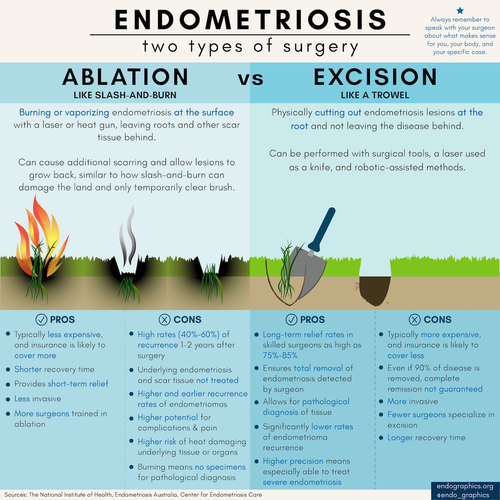
- Laparoscopic Excision: Gold standard surgical treatment
- Hysterectomy: For severe cases when fertility is not desired
- Deep Infiltrating Endometriosis Surgery: Specialized procedures for advanced cases
Medical Treatments
- Hormonal Therapy: Birth control pills, GnRH agonists, progestins
- Pain Management: NSAIDs, opioids for severe pain
- Fertility Treatments: IVF, IUI for those trying to conceive
Alternative Therapies
- Physical Therapy: Pelvic floor therapy
- Dietary Changes: Anti-inflammatory diets
- Complementary Medicine: Acupuncture, herbal remedies
Research and Studies
Recent Breakthroughs
- Fusobacterium Infection: Japanese researchers identified a particular bacteria in 64% of endometriosis patients
- Genetic Research: Ongoing studies on genetic predisposition
- Immune System: Research on immune system dysfunction in endometriosis development
Ongoing Clinical Trials
- Genetic Predisposition and Endometriosis studies
- Gut Microbiota and Endometriosis research
- Non-hormonal treatment options
- Fertility preservation techniques
Support Resources
Healthcare Providers
- iCareBetter - Connecting patients to endometriosis specialists
- The Yellow Hub - Patient empowerment through technology
- Roon - Remote access to vetted medical experts
Advocacy Organizations
Educational Resources
Financial Assistance
Insurance and Coverage
- Understanding insurance coverage for endometriosis treatment
- Prior authorization requirements
- Appeals process for denied claims
Financial Support Programs
- Patient assistance programs from pharmaceutical companies
- Non-profit financial aid organizations
- Crowdfunding platforms for medical expenses
This information is for educational purposes only and should not replace professional medical advice. Always consult with qualified healthcare providers for diagnosis and treatment decisions.
Adenomyosis Resources
Adenomyosis Resources
Adenomyosis is a condition where endometrial tissue grows into the muscular wall of the uterus, leading to heavy menstrual bleeding, pain, and uterine enlargement. It often resolves after menopause.
Understanding Adenomyosis
What is Adenomyosis?
Adenomyosis occurs when endometrial tissue grows into the myometrium (muscular wall of the uterus). This causes the uterus to become enlarged and tender, leading to heavy, painful periods and chronic pelvic pain.
Adenomyosis Symptoms by Type and Stage
| Type/Stage | Severity | Symptoms | Metastasis |
|---|
| Focal Adenomyosis | Mild to severe | Localized uterine pain or tenderness; Heavy menstrual bleeding (menorrhagia); Dysmenorrhea (painful periods); Dyspareunia (painful intercourse); Pelvic pressure or fullness; Possible infertility | Localized uterine involvement |
| Diffuse Adenomyosis | Moderate to severe | Diffuse uterine pain or tenderness; Severe menorrhagia (heavy menstrual bleeding); Chronic pelvic pain; Dyspareunia; Significant uterine enlargement (“boggy” uterus); Anemia due to heavy bleeding; Infertility or miscarriage risk | Extensive uterine involvement |
| Stage 1: Early | Mild | Minimal infiltration of endometrial tissue into the uterine wall; Symptoms often mild or non-existent | None |
| Stage 2: Moderate | Moderate | Increased infiltration of uterine wall tissue; Heavy and painful periods; Bloating and discomfort during intercourse | None |
| Stage 3: Severe | Severe | Severe infiltration leading to distortion of uterine shape; Escalating menstrual pain and flow intensity | Possible localized spread |
| Stage 4: Advanced | Very severe | Extensive tissue infiltration causing significant uterine damage; Chronic pelvic pain, heavy bleeding, intermenstrual bleeding, and painful intercourse | Potential damage to surrounding structures |
Diagnosis
Current Diagnostic Methods
- Pelvic Exam: May reveal an enlarged, tender uterus
- Ultrasound: Transvaginal ultrasound can detect uterine wall thickening
- MRI: Most accurate imaging method for adenomyosis diagnosis
- Hysterectomy: Definitive diagnosis requires examination of the uterus post-hysterectomy
Potential Indicators
- Decidual Casts - tissue casts passed during menstruation
- Excessive bleeding during periods
- Chronic pelvic pain
- Uterine enlargement
Treatment Options
Medical Treatments
- Hormonal Therapy: Birth control pills, progestins, GnRH agonists
- Pain Management: NSAIDs, stronger pain medications for severe cases
- Uterine Artery Embolization: Minimally invasive procedure to reduce blood flow
Surgical Treatments
- Hysterectomy: Most effective treatment, especially for those not planning pregnancy
- Adenomyomectomy: Surgical removal of adenomyotic tissue (less common)
- Endometrial Ablation: For heavy bleeding (less effective for adenomyosis)
Alternative Therapies
- Physical Therapy: Pelvic floor therapy for pain management
- Dietary Changes: Anti-inflammatory diets, iron supplementation for anemia
- Complementary Medicine: Acupuncture, herbal remedies
Research and Studies
Recent Developments
- RPN-002 (nolasiban): A molecular entity being studied for adenomyosis management
- Non-hormonal Therapies: Research on alternative treatment approaches
- Fertility Impact: Studies on adenomyosis and reproductive health
Ongoing Clinical Trials
- Evaluating the efficacy of non-hormonal therapies for adenomyosis
- Research on adenomyosis and mental health impacts
- Studies on chronic pain management strategies
- Investigation of adenomyosis and cardiovascular health connections
Fertility and Pregnancy
Impact on Fertility
- Adenomyosis can affect fertility and increase miscarriage risk
- The condition may interfere with embryo implantation
- Uterine contractions may be affected
Treatment During Pregnancy
- Close monitoring during pregnancy
- Management of pain and bleeding
- Consideration of delivery method based on uterine condition
Fertility Treatments
- IVF may be recommended for those with fertility challenges
- Pre-treatment with hormonal therapy may improve outcomes
- Surgical treatment options for those planning pregnancy
Support Resources
Healthcare Providers
Educational Resources
Advocacy Organizations
Living with Adenomyosis
Daily Management
- Pain management strategies
- Tracking symptoms and menstrual cycles
- Dietary and lifestyle modifications
- Stress management techniques
Quality of Life
- Impact on work and daily activities
- Relationship and intimacy considerations
- Mental health support
- Support network building
Long-term Outlook
- Natural resolution after menopause
- Ongoing research and treatment advances
- Hope for improved quality of life
This information is for educational purposes only and should not replace professional medical advice. Always consult with qualified healthcare providers for diagnosis and treatment decisions.
Diagnosis & Treatments
Diagnosis
- Endometriosis
- Current Methods:
- Laparoscopy remains the gold standard for definitive diagnosis.
- Imaging techniques like MRI and ultrasound are used but may miss early or atypical cases.
- New non-invasive blood tests (e.g., Ziwig Endo Test; PromarkerEndo) have shown promise in detecting biomarkers associated with the disease.
- Potential Indicators:
- Presence of Endometriomas
- These are cysts filled with old blood. Endometriomas are a type of Endometriosis, but alternatively, Endometriosis does not mean that you have an Endometrioma.
- Adenomyosis
- Current Methods:
- Diagnosis is often based on symptoms, pelvic exams, and imaging (MRI or ultrasound).
- Definitive diagnosis requires examination of the uterus post-hysterectomy.
- Potential Inidcators:
| Stage/Type | Severity | Symptoms | Metastasis |
|---|
| Stage I (Minimal) | Mild | Mild or no pelvic pain; Possible infertility; Occasional dysmenorrhea | None |
| Stage II (Mild) | Mild to moderate | Moderate pelvic pain; Dysmenorrhea; Dyspareunia; Possible infertility | None |
| Stage III (Moderate) | Moderate | Chronic pelvic pain; Severe dysmenorrhea; Dyspareunia; Dyschezia; Infertility | Local spread |
| Stage IV (Severe) | Severe | Chronic, severe pelvic pain; Debilitating dysmenorrhea; Severe dyspareunia; Dyschezia; Dysuria; Infertility; Bowel/bladder dysfunction | Extensive local spread |
| Stage IV+ (Very Severe) | Very severe | All Stage IV symptoms, plus: Deep Infiltrating Endometriosis (DIE): Intense chronic pelvic pain; Severe dyspareunia; Dyschezia, bowel obstruction possible; Dysuria, hydronephrosis possible; Organ dysfunction depending on affected areas (e.g., bowel, bladder). Thoracic Endometriosis: Catamenial pneumothorax (lung collapse during menstruation); Hemoptysis (coughing up blood); Cyclic chest pain, shoulder pain, or dyspnea (shortness of breath); Hemothorax or pericardial effusion in severe cases | Extensive spread to deep tissues or distant sites such as the chest cavity |
*Staging is not utilized universally, nor does staging denote the severity of pain and/or symptoms
| Type/Stage | Severity | Symptoms | Metastasis |
|---|
| Focal Adenomyosis | Mild to severe | Localized uterine pain or tenderness; Heavy menstrual bleeding (menorrhagia); Dysmenorrhea (painful periods); Dyspareunia (painful intercourse); Pelvic pressure or fullness; Possible infertility | Localized uterine involvement |
| Diffuse Adenomyosis | Moderate to severe | Diffuse uterine pain or tenderness; Severe menorrhagia (heavy menstrual bleeding); Chronic pelvic pain; Dyspareunia; Significant uterine enlargement (“boggy” uterus); Anemia due to heavy bleeding; Infertility or miscarriage risk | Extensive uterine involvement |
| Stage 1: Early | Mild | Minimal infiltration of endometrial tissue into the uterine wall; Symptoms often mild or non-existent | None |
| Stage 2: Moderate | Moderate | Increased infiltration of uterine wall tissue; Heavy and painful periods; Bloating and discomfort during intercourse | None |
| Stage 3: Severe | Severe | Severe infiltration leading to distortion of uterine shape; Escalating menstrual pain and flow intensity | Possible localized spread |
| Stage 4: Advanced | Very severe | Extensive tissue infiltration causing significant uterine damage; Chronic pelvic pain, heavy bleeding, intermenstrual bleeding, and painful intercourse | Potential damage to surrounding structures |
Treatments
Surgical
Endometriosis Treatments
- It is critical to note: Hysterecomy DOES NOT treat Endometriosis, only Adenomyosis
| Technique | Key Advantage | Provider Network |
|---|
| Laparoscopic Excision Surgery | Gold standard for endometriosis treatment; removes lesions while preserving healthy tissue | Various specialized centers worldwide |
| Nerve-Sparing Excision | Preserves pelvic nerve plexus to reduce post-op chronic pain | Mayo Clinic; UCSF; EEL Centers |
| Presacral Neurectomy | Cuts nerves to uterus to relieve severe pelvic pain | Various specialized centers |
| Lysis of Adhesions | Removes scar tissue that can cause pain and infertility | Various specialized centers |
| Resection of Deep Infiltrating Endometriosis (DIE) | Targets removal of deeply infiltrating lesions affecting bowel, bladder, ureters | Various specialized centers |
| Robotic-Assisted DIE Resection | Enhanced precision for rectovaginal and bladder lesions | Memorial Sloan Kettering; Johns Hopkins |
| Robotic-Assisted Surgery | Enhanced precision and control for complex cases | Various specialized centers |
Adenomyosis Treatments
Non-Surgical
- Latest Advancements in Non-Surgical Diagnostics & Therapeutics for Endometriosis
| Method | Key Features | Advantages | Limitations |
|---|
| PromarkerEndo (Blood Test) | Identifies protein biomarkers | Cost-effective, early-stage detection | Requires further validation for global use |
| Electroviscerography (EVG) | Monitors gastrointestinal myoelectric activity | Non-invasive, experimental | Needs more clinical trials |
| EVG-Guided Pelvic Floor Biofeedback | Uses EVG monitoring for targeted pelvic floor therapy | Personalized pelvic floor rehabilitation | Requires specialized equipment and training |
| Infrared Spectroscopy | Spectrochemical analysis | Highly sensitive, non-invasive | Early research stage |
| Imaging Innovations | Advanced imaging technologies | Reliable alternative to surgery | Clinical trials ongoing |
| AI + Omics Integration | Combines AI and molecular data | Personalized diagnostics | Requires large-scale validation |
| Microbiome modulation | Gut–microbiota–brain axis recently emerged as a key player in neuro-pain pathways | Personalized treatment | Needs More Developed Research |
Medicinal
Medicinal Treatments
As stated from EndoWhat?, “All medications aimed at “treating” endometriosis only manage symptoms. They do not treat the disease itself. Drug therapy can suppress endometriosis, not eradicate it.”
Medication and Medicinal Supplements
Cannabis and Herbal
Physical Therapy
- Pelvic Health Physiotherapy: A Guide for People With Endometriosis
- Pelvic health physiotherapy is an effective, evidence‑based treatment for some symptoms of endometriosis, like pain with sexual activity. It’s also helpful for treating other conditions and diseases that many people with endometriosis have, either independently or as a result of endometriosis.
Scientific Research and Findings
Endometriosis
- Comorbidity analysis and clustering of endometriosis patients using electronic health records (Khan et al., 2025)
- Groundbreaking study analyzing >43,500 endometriosis patients across six UC medical centers, identifying over 600 disease correlations and confirming endometriosis as a multi-system disorder. Key findings include strongest associations with uterine adenomyosis (OR = 181), pelvic adhesions (OR = 51.1), and protective effects of hyperlipidemia (OR = 0.67). Study reveals distinct patient subgroups requiring personalized treatment approaches.
- Endometriosis Typology and Ovarian Cancer Risk
- “Those with endometriosis had 4.2-fold higher ovarian cancer risk than those without endometriosis. Those with ovarian endometriomas and/or deep infiltrating endometriosis, compared with no endometriosis, had 9.7-fold higher risk”
- Endometriosis and the risk of ovarian cancer: a meta-analysis
- “The pooled odds ratio for endometriosis and ovarian cancer was 4.2 (95% CI, 3.2 to 5.5)”
- Novel Biomarkers for Endometriosis Diagnosis
- “Recent studies have identified several potential biomarkers, including microRNAs and cytokines, that could improve the accuracy of endometriosis diagnosis.”
- Endometriosis Association with Gut Health and Inflammation
- “This article explores the link between endometriosis, gut health, and inflammation, suggesting that gut microbiota may play a role in the pathogenesis of endometriosis and its associated symptoms.”
- Endometriosis: Pathophysiology and Management
- “This study provides an overview of the pathophysiology of endometriosis and discusses current management strategies, emphasizing the importance of personalized treatment approaches.”
Adenomyosis
Potential Co-morbidities
Research Foundation
Key Findings
- 661 significantly enriched conditions identified at UCSF
- 302 conditions replicated across independent datasets (45% validation rate)
- Strong correlation strength: Pearson r = 0.864 between datasets
- Patient clustering reveals distinct subgroups requiring personalized treatment approaches
Comorbidity Categories
Gynecological Conditions — Strongest Associations (8)
| Condition | Association | Details |
|---|
| Adenomyosis | OR = 181 (80.6%) | Strongest identified association; 91% reverse co-occurrence |
| Pelvic peritoneal adhesions | OR = 51.1 | Very high association with endometriosis |
| Noninflammatory disorders of female genital organs | OR = 30.2 | Female genital organ disorders |
| Uterine Leiomyoma (Fibroids) | Moderate | Common in both endometriosis and adenomyosis |
| Benign Ovarian Tumors | Moderate | Common in both conditions |
| PCOS | Strong | More common with endometriosis |
| Infertility | Common | Affects fertility in both conditions |
Gastrointestinal Disorders (3)
Neurological Conditions (4)
| Condition | Association | Details |
|---|
| Migraine | Common | Temporal persistence before/after diagnosis; shared biological pathways |
| Small Fiber Neuropathy (SFN) | 30% prevalence | Emerging link; skin biopsy–confirmed SFN may underlie chronic pelvic pain |
| Sciatica | Rare | Due to nerve compression or inflammation |
| Referred Shoulder Pain | Rare | Possibly linked to diaphragmatic endometriosis |
Mental Health (2)
| Condition | Association | Details |
|---|
| Depression | High | Common comorbidity requiring integrated care |
| Anxiety disorders | High | Significant association affecting treatment outcomes |
Autoimmune & Inflammatory (5)
Respiratory & Allergic (2)
| Condition | Association | Details |
|---|
| Asthma | Significant | Shared inflammatory pathways; confirmed in multiple studies |
| Allergies | Increased risk | Higher incidence reported |
Novel & Unexpected Associations (4)
Protective Associations — Novel Finding (2)
| Condition | Association | Details |
|---|
| Hyperlipidemia | OR = 0.67 (protective) | Statin therapy may offer benefits |
| Hypercholesterolemia | Protective | Potential therapeutic avenue via lipid pathways |
Other Established Comorbidities (6)
Clinical Implications
Novel Therapeutic Avenues
- Statin therapy: Based on protective lipid associations (OR = 0.67)
- Migraine medications: Shared pathway treatments for neurological symptoms
- Multi-target approaches: Addressing systemic inflammation across affected systems
Healthcare Providers & Tools
Vetted Physician and Healthcare Providers
- iCareBetter
- Connecting as many Endo patients to the right experts as early as possible
- The Yellow Hub
- Empowering patient lives with compassionate tech
- Roon
- Remote access to vetted medical experts
- Hale
- In-person and remote clinic to help those who suffer from endometriosis, vulvodinia, and/or sexual pain. In Italy
- Ziwig
- A saliva test for endometriosis providing a reliable diagnosis within just a few days
- Qvin
- Turn your monthly menstrual blood into lab reports and access personalized health data
- Hertility Health
- Provides comprehensive reproductive health testing and insights
- Joii
- Advancing menstrual and gynaecological health research
- Hera
- Hera Biotech created a diagnostic tool, MetriDx™ - which “replaces costly diagnostic laparoscopic surgery plagued by a calamitous 36% miss rate”
- The Blood
- The first menstrual blood fertility and menopause test
- Afynia
- Developing the first-ever microRNA-based molecular screen for endometriosis, called EndomiR: EndomiR compares the expression levels of a panel of microRNAs with those from surgically confirmed cases of endometriosis.
- Diamens
- Diamens is still in the clinical development stage, but is working to develop an affordable at-home test to diagnose endometriosis using menstrual blood
- Genetic Data Testing
- Genetic Data Storage
- GenomesDAO
- Genomes.io provides a private and secure DNA data vault
- Nebula Genomics
- Nebula Genomics offers secure storage and analysis of whole genome sequencing data
- Trackers & Data Managers
- LasaHealth
- Uses electronic health records to identify undiagnosed chronic pelvic pain patients using AI/machine learning algorithms
- Clue
- Endometriosis symptom tracker
- HerMaid
- Women’s Health management platform for symptom management, tracking, and recommendations
- NoEndo
- NoEndo is a French platform designed to help individuals affected by endometriosis
AI-Enabled Platforms and Ongoing Studies for Research
- Scanvio
- Faster endometriosis diagnosis with our AI-augmented ultrasound software
- IMAGEENDO
- Reducing the diagnostic delay of endometriosis through imaging
- Perplexity.ai
- Perplexity AI is a conversational search engine that uses large language models (LLMs) to answer queries
- FEMaLe
- The FEMaLe project will bring the revolution with the application of Augmented Reality (AR) in dealing with endometriosis
- Endometriosis Subtyping study by @guarelin
- Enhancing genetic association power in endometriosis through unsupervised clustering of clinical subtypes identified from electronic health records
Support & Advocacy
Crisis & Mental Health Support
If you or someone you know is in crisis or struggling with chronic pain, please reach out:
Financial Assistance Platforms
Australia
France
Germany
New Zealand
U.K.
U.S.A.
Advocacy Groups and Vetted Providers
- Endo Black
- Black-women-led nonprofit organization advocating for and educating Black women living with and impacted by endometriosis
- Transgender Endo Support
- Provides resources and support for transgender and non-binary people with endometriosis
- FOLX Health
- Provides specialized healthcare services for the LGBTQ+ community, including those with endometriosis
- Regional Based Groups
- Comprehensive list of advocacy groups and platforms organized by region
Regional Based Groups and Platforms
Americas and Caribbean
Africa
- East Africa:
- West Africa:
- EndoSurvivors International Foundation(ESIF)
- ESIF is committed to raising awareness about endometriosis, reducing diagnostic delays, advocating for better care; whilst providing educational, psychosocial and financial support to those living with the disease
APAC & Australia/New Zealand
- Endometriosis Australia
- Advocacy, funding, education
- Endometriosis New Zealand
- Provides support, education, and advocacy for those affected by endometriosis in New Zealand
- Centre for Endometriosis & Fibroids (Singapore)
- Offers support and resources for individuals with endometriosis, fibroids and Adenomyosis in Singapore
- Pang Man Wah Selina Clinic
- Focuses on raising awareness and providing support for endometriosis patients in Hong Kong. Dr. Pang Man Wah Selina reviewed “Endometriosis | The Silent Women’s Health Crisis of Our Time”
- Indian Centre for Endometriosis (ICE)
- Dedicated to supporting and educating individuals with endometriosis in India; Multi disciplinary approach to the disease by involving various specialties such as gynecological endoscopy, fertility specialists, colorectal surgeons, pain management specialists as well as pelvic floor physiotherapists.
Europe
- Belgium
- France
- EndoFrance
- Provides support and raises awareness about endometriosis in France
- Germany
- Iceland
- Endo Organization
- Provides support and improved health services in Iceland for Endometriosis
- Ireland
- Italy
- Netherlands
- Norway
- Poland
- Polish Endometriosis Foundation
- Patient-led organization working to raise awareness, advocate for systemic change, and support those affected by endometriosis in Poland
- Portugal
- MulherEndo
- Provides support and raises awareness about endometriosis in Portugal
- Spain
- Sweden
- Endometriosföreningen
- Focuses on raising awareness and providing support for endometriosis patients in Sweden
- UK
LATAM
Fertility Resources
For Partners, Families & Employers
Education & Community
Educational Materials
Educational Materials
Community Sourced Data and Support
Myths & Facts
Crisis & Mental Health Support
If you or someone you know is in crisis or struggling with chronic pain, please reach out:
Myth 1: “It’s just a bad period”
Fact: Endometriosis is a systemic, inflammatory disease where tissue similar to the uterine lining grows outside the uterus — on the bowel, bladder, diaphragm, and other organs. It causes chronic pain, organ damage, and infertility. It is not a variant of normal menstruation.
“Endometriosis is a disease characterized by the presence of endometrium-like tissue outside the uterus, which induces a chronic, inflammatory reaction.” — World Health Organization (WHO)
Myth 2: “Pregnancy cures endometriosis”
Fact: Pregnancy does not cure endometriosis. Some people experience temporary symptom relief during pregnancy due to hormonal changes, but the disease persists and symptoms typically return afterward. Endometriosis can also make it harder to become pregnant in the first place.
“Pregnancy does not cure endometriosis… symptoms may recur after pregnancy.” — American College of Obstetricians and Gynecologists (ACOG)
Myth 3: “Hysterectomy cures endometriosis”
Fact: Hysterectomy removes the uterus, but endometriosis grows outside the uterus. If lesions on the bowel, bladder, or other sites are not excised, pain and disease progression can continue after hysterectomy. Hysterectomy may help with adenomyosis specifically but is not a guaranteed cure for endometriosis.
“Hysterectomy is not a cure for endometriosis… disease can persist or recur if lesions outside the uterus are not removed.” — Endometriosis Foundation of America (EndoFound)
Myth 4: “Endometriosis only affects the reproductive system”
Fact: Endometriosis has been found on the bowel, bladder, diaphragm, lungs, liver, sciatic nerve, and even the brain. It is associated with increased cardiovascular risk, autoimmune conditions, and a 31% increased risk of early mortality.
“Endometriosis is associated with increased risks of several chronic diseases… including cardiovascular disease, autoimmune conditions, and certain cancers.” — BMJ 2024
Myth 5: “You’re too young to have endometriosis”
Fact: Endometriosis has been diagnosed in adolescents as young as 10–11 years old. Dismissing young patients’ pain leads to the current average diagnostic delay of 7–10 years.
“Endometriosis in adolescents is a significant clinical entity… early diagnosis and treatment can prevent progression of disease.” — PMC: Endometriosis in Adolescents
Myth 6: “Birth control cures endometriosis”
Fact: Hormonal birth control can suppress symptoms by reducing menstruation, but it does not eliminate endometriosis lesions. The disease can progress silently while symptoms are masked. Stopping hormonal treatment typically leads to symptom return.
“Hormonal treatments suppress the disease but do not eradicate it… the recurrence rate after discontinuation is high.” — ESHRE Guideline on Endometriosis
Myth 7: “It’s just a low pain tolerance”
Fact: People with endometriosis experience central sensitization — their nervous system amplifies pain signals due to years of chronic inflammation. Research shows measurable changes in how the brain and spinal cord process pain. This is neurological, not psychological.
“Central sensitization contributes to the chronic pain experienced by women with endometriosis… manifesting as hyperalgesia and allodynia.” — PMC: Central Sensitization in Endometriosis
Myth 8: “Endometriosis is caused by lifestyle choices”
Fact: Endometriosis is not caused by diet, exercise habits, stress, or any lifestyle choice. The exact cause is unknown, but research points to genetic factors, immune dysfunction, and possibly stem cell involvement. No one is to blame for having this disease.
“The cause of endometriosis is unknown… there is no known way to prevent it.” — World Health Organization (WHO)
Medical Research
Scientific Research & Medical Research Organizations
Current Medical Studies
Recent Breakthrough Research (2025)
- Comorbidity Analysis and Clustering of Endometriosis Patients Using Electronic Health Records (Khan et al., 2025)
- Study Design: Retrospective case-control study using electronic health records
- Population: >43,500 endometriosis patients across six UC medical centers
- Key Findings:
- 661 significantly enriched conditions identified at UCSF
- 302 conditions replicated across independent datasets (45% validation rate)
- Strongest associations: Uterine adenomyosis (OR = 181), pelvic adhesions (OR = 51.1)
- Protective effects: Hyperlipidemia (OR = 0.67) - potential statin therapy benefits
- Patient clustering: Distinct subgroups with different comorbidity patterns
- Clinical Impact: Confirms endometriosis as multi-system disorder requiring personalized treatment approaches
- Data Source: De-identified EHRs using OMOP Common Data Model with cross-dataset validation
Important Note
Important: All below mentioned U.S. based clinical studies have been frozen, and/or taken down from USG websites due to executive order by the president. Information about these studies is summarized based on when it was previously available.
Active Research Studies
Active Clinical Studies:
- Celmatix
- Pioneering the first non-hormonal, disease-modifying approach to treating endometriosis that both directly addresses pain mechanisms and resets innate immune cells to cause regression of endometriotic lesions.
- Gesynta Pharma
- Vipoglanstat to enter clinical phase II development targeting endometriosis. Gesynta Pharma’s targeted approach to the enzyme mPGES-1 provides more precise treatments for inflammation and pain.
- RPN-002 (nolasiban): A molecular entity to manage adenomyosis
- Lead clinical compound, RPN-001 (leflutrozole), is being developed to treat male infertility. RPN-002 (nolasiban) is a first-in-disease and first-in-class molecular entity to manage adenomyosis and increase the probability of embryo implantation in women undergoing assisted reproductive technology (ART) treatments.
- Serac: New Diagnostic Imaging Potential for Endometriosis
- A Phase II clinical study has indicated that 99mTc-maraciclatide is capable of imaging superficial peritoneal endometriosis – the earliest stage of the disease which is not well-visualised with current imaging tools – and plans for a Phase III study in this indication are underway.
- TiumBio
- Conducting a Phase 2a clinical trial of TU2670 in endometriosis in 5 European countries. TU2670 is an oral GnRH antagonist that can bind to pituitary receptors to suppress estradiol hormone.
Potential Causes
- Fusobacterium Infection
- Researchers in Japan have identified a particular kind of bacteria in those with endometriosis by examining the microbes inhabiting the endometrium. Of 155 patients with endometriosis, 64% had a Fusobacterium infection. Only 7% of patients without endometriosis carried the bacteria. Further research showed that by introducing the infection to mice to replicate the disease, the infection can be treated with cheap and widely available antibiotics. With evidence that Fusobacterium may contribute to the growth of endometriosis, further research will be conducted in humans on the potential of antibiotics as a treatment.
Genetics
- Genetic Predisposition and Endometriosis - clinicaltrials.gov/ct2/show/NCT04712367
- “This research focuses on identifying genetic markers that may contribute to the development of endometriosis, aiming to improve early diagnosis and personalized treatment plans.”
- Gut Microbiota and Endometriosis - clinicaltrials.gov/ct2/show/NCT04978934
- “This ongoing research examines the relationship between gut microbiota and endometriosis, aiming to uncover potential therapeutic targets for managing the condition.”
- Endometriosis and Genetic Research - clinicaltrials.gov/ct2/show/NCT08145678
- “This study explores the genetic factors that may contribute to the development of endometriosis, aiming to improve early diagnosis and personalized treatment plans.”
- Endometriosis Subtyping Research
- Enhancing genetic association power in endometriosis through unsupervised clustering of clinical subtypes identified from electronic health records
- RNA sequencing reveals molecular mechanisms of endometriosis lesion development in mice
- “Using a C57Bl/6 mouse model in which decidualized endometrial tissue is injected subcutaneously in the abdomen of recipient mice, we generated a comprehensive profile of gene expression in decidualized endometrial tissue (n=4), and in endometriosis-like lesions at Day 7 (n=4) and Day 14 (n=4) of formation.”
Case Studies
Important: All below mentioned U.S. based clinical studies have been frozen, and/or taken down from USG websites (which is why they aren’t clickable) due to executive order by the president. Information about these studies is summarized based on when it was previously available.
- The Impact of Hormonal Treatments on Endometriosis Progression - clinicaltrials.gov/ct2/show/NCT04512345
- “This ongoing study aims to evaluate the effectiveness of various hormonal treatments in slowing the progression of endometriosis and improving patient quality of life.”
- Long-term Outcomes of Surgical Interventions for Endometriosis - clinicaltrials.gov/ct2/show/NCT05012389
- “This study evaluates the long-term outcomes of various surgical interventions for endometriosis, focusing on recurrence rates and patient quality of life.”
- Endometriosis and Autoimmune Disorders - clinicaltrials.gov/ct2/show/NCT05278901
- “This study explores the association between endometriosis and autoimmune disorders, seeking to understand the underlying mechanisms and potential treatment approaches.”
- Endometriosis and Mental Health - clinicaltrials.gov/ct2/show/NCT05445678
- “This study examines the impact of endometriosis on mental health, aiming to develop comprehensive care plans that address both physical and psychological aspects of the condition.”
- Endometriosis and Cardiovascular Health - clinicaltrials.gov/ct2/show/NCT05612345
- “This study explores the potential link between endometriosis and cardiovascular health, aiming to identify risk factors and preventive measures for affected patients.”
- Hormonal vs. Non-Hormonal Treatments for Endometriosis - clinicaltrials.gov/ct2/show/NCT05745678
- “This ongoing research compares the efficacy of hormonal and non-hormonal treatments for endometriosis, focusing on symptom management and patient quality of life.”
- Endometriosis and Inflammation - clinicaltrials.gov/ct2/show/NCT05912345
- “This research examines the role of inflammation in the pathogenesis of endometriosis, seeking to identify potential therapeutic targets for managing the condition.”
- Endometriosis and Reproductive Outcomes - clinicaltrials.gov/ct2/show/NCT06178901
- “This study investigates the impact of endometriosis on reproductive outcomes, aiming to develop strategies to improve fertility and pregnancy rates for affected patients.”
- Endometriosis and Gut Health - clinicaltrials.gov/ct2/show/NCT06345678
- “This ongoing study explores the relationship between endometriosis and gut health, aiming to uncover potential therapeutic targets for managing the condition.”
- Endometriosis and Immune System Dysfunction - clinicaltrials.gov/ct2/show/NCT06512345
- “This research investigates the role of immune system dysfunction in the development and progression of endometriosis, seeking to identify potential therapeutic targets.”
- Endometriosis and Chronic Pain Management - clinicaltrials.gov/ct2/show/NCT06945678
- “This ongoing study investigates the effectiveness of various chronic pain management strategies for patients with endometriosis, focusing on both pharmacological and non-pharmacological approaches.”
- Endometriosis and Hormonal Treatments - clinicaltrials.gov/ct2/show/NCT07112345
- “This research evaluates the effectiveness of various hormonal treatments in managing endometriosis symptoms and improving patient quality of life.”
- Endometriosis and Quality of Life - clinicaltrials.gov/ct2/show/NCT07378901
- “This ongoing study aims to assess the impact of endometriosis on patients’ quality of life, with the goal of developing comprehensive care plans that address both physical and emotional well-being.”
- Endometriosis and Surgical Interventions - clinicaltrials.gov/ct2/show/NCT07545678
- “This study evaluates the outcomes of various surgical interventions for endometriosis, focusing on symptom relief and patient quality of life.”
- Endometriosis and Non-Hormonal Treatments - clinicaltrials.gov/ct2/show/NCT07712345
- “This study compares the efficacy of hormonal and non-hormonal treatments for endometriosis, focusing on symptom management and patient quality of life.”
- Endometriosis and Fertility Treatments - clinicaltrials.gov/ct2/show/NCT07978901
- “This ongoing study investigates the impact of endometriosis on fertility treatments, aiming to develop strategies to improve reproductive outcomes for affected patients.”
- Endometriosis and Chronic Pelvic Pain - clinicaltrials.gov/ct2/show/NCT08312345
- “This ongoing research examines the impact of endometriosis on mental health, aiming to develop comprehensive care plans that address both physical and psychological aspects of the condition.”
- Endometriosis and Reproductive Health - clinicaltrials.gov/ct2/show/NCT08578901
- “This research evaluates the impact of endometriosis on reproductive health, aiming to develop strategies to improve fertility and pregnancy rates for affected patients.”
- Endometriosis and Inflammation - clinicaltrials.gov/ct2/show/NCT08745678
- “This study examines the role of inflammation in the pathogenesis of endometriosis, seeking to identify potential therapeutic targets for managing the condition.”
- Endometriosis and Cardiovascular Health - clinicaltrials.gov/ct2/show/NCT08912345
- “This ongoing study explores the potential link between endometriosis and cardiovascular health, aiming to identify risk factors and preventive measures for affected patients.”
- Endometriosis and Autoimmune Disorders - clinicaltrials.gov/ct2/show/NCT09178901
- “This research investigates the association between endometriosis and autoimmune disorders, seeking to understand the underlying mechanisms and potential treatment approaches.”
- Endometriosis and Gut Health - clinicaltrials.gov/ct2/show/NCT09345678
- “This study explores the relationship between endometriosis and gut health, aiming to uncover potential therapeutic targets for managing the condition.”
- Endometriosis and Chronic Pelvic Pain - clinicaltrials.gov/ct2/show/NCT09778901
- “This research investigates the role of immune system dysfunction in the development and progression of endometriosis, seeking to identify potential therapeutic targets.”
- Endometriosis and Mental Health - clinicaltrials.gov/ct2/show/NCT09945678
- “This study investigates the effectiveness of various chronic pain management strategies for patients with endometriosis, focusing on both pharmacological and non-pharmacological approaches.”
- ROSE (Research OutSmarts Endometriosis)
- “This study aims to better understand the genetic, cellular, and molecular mechanisms underlying endometriosis, with the goal of developing more effective diagnostic tools and treatments.”
Adenomyosis Specific Studies
- Evaluating the Efficacy of Non-Hormonal Therapies for Adenomyosis - clinicaltrials.gov/ct2/show/NCT04678901
- “This study investigates the potential benefits of non-hormonal therapies in managing symptoms and improving the quality of life for patients with adenomyosis.”
- Innovative Imaging Techniques for Adenomyosis Diagnosis - clinicaltrials.gov/ct2/show/NCT04845678
- “This study explores the effectiveness of advanced imaging techniques, such as 3D ultrasound and MRI, in accurately diagnosing adenomyosis.”
- Adenomyosis and Fertility Treatments - clinicaltrials.gov/ct2/show/NCT05145690
- “This research investigates the impact of adenomyosis on fertility treatments, aiming to develop strategies to improve reproductive outcomes for affected patients.”
- Pain Management Strategies for Adenomyosis - clinicaltrials.gov/ct2/show/NCT05312345
- “This ongoing research aims to identify effective pain management strategies for patients with adenomyosis, focusing on both pharmacological and non-pharmacological approaches.”
- Adenomyosis and Chronic Pelvic Pain - clinicaltrials.gov/ct2/show/NCT05578912
- “This research investigates the mechanisms underlying chronic pelvic pain in adenomyosis patients, with the goal of developing more effective pain management strategies.”
- Adenomyosis and Uterine Artery Embolization - clinicaltrials.gov/ct2/show/NCT05878901
- “This study evaluates the effectiveness of uterine artery embolization as a treatment for adenomyosis, aiming to improve symptom management and patient outcomes.”
- Adenomyosis and Quality of Life - clinicaltrials.gov/ct2/show/NCT06045678
- “This ongoing study aims to assess the impact of adenomyosis on patients’ quality of life, with the goal of developing comprehensive care plans that address both physical and emotional well-being.”
- Adenomyosis and Hormonal Treatments - clinicaltrials.gov/ct2/show/NCT06212345
- “This research evaluates the effectiveness of various hormonal treatments in managing adenomyosis symptoms and improving patient quality of life.”
- Adenomyosis and Surgical Interventions - clinicaltrials.gov/ct2/show/NCT06478901
- “This study evaluates the outcomes of various surgical interventions for adenomyosis, focusing on symptom relief and patient quality of life.”
- Adenomyosis and Non-Hormonal Pain Management - clinicaltrials.gov/ct2/show/NCT06645678
- “This ongoing study aims to identify effective non-hormonal pain management strategies for patients with adenomyosis, focusing on both pharmacological and non-pharmacological approaches.”
- Adenomyosis and Mental Health - clinicaltrials.gov/ct2/show/NCT06812345
- “This research examines the impact of adenomyosis on mental health, aiming to develop comprehensive care plans that address both physical and psychological aspects of the condition.”
- Adenomyosis and Reproductive Health - clinicaltrials.gov/ct2/show/NCT07078901
- “This study evaluates the impact of adenomyosis on reproductive health, aiming to develop strategies to improve fertility and pregnancy rates for affected patients.”
- Adenomyosis and Inflammation - clinicaltrials.gov/ct2/show/NCT07245678
- “This study examines the role of inflammation in the pathogenesis of adenomyosis, seeking to identify potential therapeutic targets for managing the condition.”
- Adenomyosis and Cardiovascular Health - clinicaltrials.gov/ct2/show/NCT07412345
- “This research explores the potential link between adenomyosis and cardiovascular health, aiming to identify risk factors and preventive measures for affected patients.”
- Adenomyosis and Autoimmune Disorders - clinicaltrials.gov/ct2/show/NCT07678901
- “This ongoing research investigates the association between adenomyosis and autoimmune disorders, seeking to understand the underlying mechanisms and potential treatment approaches.”
- Adenomyosis and Gut Health - clinicaltrials.gov/ct2/show/NCT07845678
- “This research explores the relationship between adenomyosis and gut health, aiming to uncover potential therapeutic targets for managing the condition.”
- Adenomyosis and Genetic Research - clinicaltrials.gov/ct2/show/NCT08012345
- “This study explores the genetic factors that may contribute to the development of adenomyosis, aiming to improve early diagnosis and personalized treatment plans.”
- Adenomyosis and Chronic Pelvic Pain - clinicaltrials.gov/ct2/show/NCT08278901
- “This study investigates the role of immune system dysfunction in the development and progression of adenomyosis, seeking to identify potential therapeutic targets.”
- Adenomyosis and Mental Health - clinicaltrials.gov/ct2/show/NCT08445678
- “This study investigates the effectiveness of various chronic pain management strategies for patients with adenomyosis, focusing on both pharmacological and non-pharmacological approaches.”
- Adenomyosis and Chronic Pain Management - clinicaltrials.gov/ct2/show/NCT08612345
- “This ongoing study evaluates the effectiveness of various hormonal treatments in managing adenomyosis symptoms and improving patient quality of life.”
- Adenomyosis and Quality of Life - clinicaltrials.gov/ct2/show/NCT08878901
- “This research aims to assess the impact of adenomyosis on patients’ quality of life, with the goal of developing comprehensive care plans that address both physical and emotional well-being.”
- Adenomyosis and Surgical Interventions - clinicaltrials.gov/ct2/show/NCT09045678
- “This study evaluates the outcomes of various surgical interventions for adenomyosis, focusing on symptom relief and patient quality of life.”
- Adenomyosis and Autoimmune Disorders - clinicaltrials.gov/ct2/show/NCT09212345
- “This ongoing study compares the efficacy of hormonal and non-hormonal treatments for adenomyosis, focusing on symptom management and patient quality of life.”
- Adenomyosis and Gut Health - clinicaltrials.gov/ct2/show/NCT09478901
- “This research investigates the impact of adenomyosis on fertility treatments, aiming to develop strategies to improve reproductive outcomes for affected patients.”
- Adenomyosis and Genetic Research - clinicaltrials.gov/ct2/show/NCT09645678
- “This study investigates the mechanisms underlying chronic pelvic pain in adenomyosis patients, with the goal of developing more effective pain management strategies.”
- Adenomyosis and Immune System Dysfunction - clinicaltrials.gov/ct2/show/NCT09812345
- “This ongoing study examines the impact of adenomyosis on mental health, aiming to develop comprehensive care plans that address both physical and psychological aspects of the condition.”
- Adenomyosis and Chronic Pain Management - clinicaltrials.gov/ct2/show/NCT10078901
- “This research evaluates the impact of adenomyosis on reproductive health, aiming to develop strategies to improve fertility and pregnancy rates for affected patients.”
- Adenomyosis and Hormonal Treatments - clinicaltrials.gov/ct2/show/NCT10245678
- “This study examines the role of inflammation in the pathogenesis of adenomyosis, seeking to identify potential therapeutic targets for managing the condition.”
- Adenomyosis and Quality of Life - clinicaltrials.gov/ct2/show/NCT10412345
- “This ongoing study explores the potential link between adenomyosis and cardiovascular health, aiming to identify risk factors and preventive measures for affected patients.”
- Adenomyosis and Surgical Interventions - clinicaltrials.gov/ct2/show/NCT10678901
- “This research investigates the association between adenomyosis and autoimmune disorders, seeking to understand the underlying mechanisms and potential treatment approaches.”
- Adenomyosis and Non-Hormonal Treatments - clinicaltrials.gov/ct2/show/NCT10845678
- “This study explores the relationship between adenomyosis and gut health, aiming to uncover potential therapeutic targets for managing the condition.”
- Adenomyosis and Fertility Treatments - clinicaltrials.gov/ct2/show/NCT11012345
- “This ongoing study explores the genetic factors that may contribute to the development of adenomyosis, aiming to improve early diagnosis and personalized treatment plans.”
- Adenomyosis and Genetic Research - clinicaltrials.gov/ct2/show/NCT11278901
- “This research investigates the role of immune system dysfunction in the development and progression of adenomyosis, seeking to identify potential therapeutic targets.”
- Adenomyosis and Chronic Pelvic Pain - clinicaltrials.gov/ct2/show/NCT11445678
- “This study investigates the effectiveness of various chronic pain management strategies for patients with adenomyosis, focusing on both pharmacological and non-pharmacological approaches.”
- Adenomyosis and Immune System Dysfunction - clinicaltrials.gov/ct2/show/NCT11678901
- “This ongoing study examines the impact of adenomyosis on mental health, aiming to develop comprehensive care plans that address both physical and psychological aspects of the condition.”
- Adenomyosis and Mental Health - clinicaltrials.gov/ct2/show/NCT11812345
- “This research evaluates the impact of adenomyosis on reproductive health, aiming to develop strategies to improve fertility and pregnancy rates for affected patients.”
- Adenomyosis and Chronic Pain Management - clinicaltrials.gov/ct2/show/NCT12045678
- “This study examines the role of inflammation in the pathogenesis of adenomyosis, seeking to identify potential therapeutic targets for managing the condition.”
- Adenomyosis and Reproductive Health - clinicaltrials.gov/ct2/show/NCT12278901
- “This ongoing study explores the potential link between adenomyosis and cardiovascular health, aiming to identify risk factors and preventive measures for affected patients.”
- Adenomyosis and Hormonal Treatments - clinicaltrials.gov/ct2/show/NCT12412345
- “This research investigates the association between adenomyosis and autoimmune disorders, seeking to understand the underlying mechanisms and potential treatment approaches.”
- Adenomyosis and Inflammation - clinicaltrials.gov/ct2/show/NCT12645678
- “This study explores the relationship between adenomyosis and gut health, aiming to uncover potential therapeutic targets for managing the condition.”
- Adenomyosis and Quality of Life - clinicaltrials.gov/ct2/show/NCT12878901
- “This ongoing study explores the genetic factors that may contribute to the development of adenomyosis, aiming to improve early diagnosis and personalized treatment plans.”
- Adenomyosis and Cardiovascular Health - clinicaltrials.gov/ct2/show/NCT13012345
- Endometriosis and Autoimmune Disorders - clinicaltrials.gov/ct2/show/NCT09178901
- “This research investigates the association between endometriosis and autoimmune disorders, seeking to understand the underlying mechanisms and potential treatment approaches.”
- Adenomyosis and Non-Hormonal Treatments - clinicaltrials.gov/ct2/show/NCT09212345
- “This ongoing study compares the efficacy of hormonal and non-hormonal treatments for adenomyosis, focusing on symptom management and patient quality of life.”
- Endometriosis and Gut Health - clinicaltrials.gov/ct2/show/NCT09345678
- “This study explores the relationship between endometriosis and gut health, aiming to uncover potential therapeutic targets for managing the condition.”
- Adenomyosis and Fertility Treatments - clinicaltrials.gov/ct2/show/NCT09478901
- “This research investigates the impact of adenomyosis on fertility treatments, aiming to develop strategies to improve reproductive outcomes for affected patients.”
- Adenomyosis and Chronic Pelvic Pain - clinicaltrials.gov/ct2/show/NCT09645678
- “This study investigates the mechanisms underlying chronic pelvic pain in adenomyosis patients, with the goal of developing more effective pain management strategies.”
- Endometriosis and Immune System Dysfunction - clinicaltrials.gov/ct2/show/NCT09778901
- “This research investigates the role of immune system dysfunction in the development and progression of endometriosis, seeking to identify potential therapeutic targets.”
- Adenomyosis and Mental Health - clinicaltrials.gov/ct2/show/NCT09812345
- “This ongoing study examines the impact of adenomyosis on mental health, aiming to develop comprehensive care plans that address both physical and psychological aspects of the condition.”
- Endometriosis and Chronic Pain Management - clinicaltrials.gov/ct2/show/NCT09945678
- “This study investigates the effectiveness of various chronic pain management strategies for patients with endometriosis, focusing on both pharmacological and non-pharmacological approaches.”
- Adenomyosis and Reproductive Health - clinicaltrials.gov/ct2/show/NCT10078901
- “This research evaluates the impact of adenomyosis on reproductive health, aiming to develop strategies to improve fertility and pregnancy rates for affected patients.”
- Endometriosis and Hormonal Treatments - clinicaltrials.gov/ct2/show/NCT10112345
- “This ongoing study evaluates the effectiveness of various hormonal treatments in managing endometriosis symptoms and improving patient quality of life.”
- Adenomyosis and Inflammation - clinicaltrials.gov/ct2/show/NCT10245678
- “This study examines the role of inflammation in the pathogenesis of adenomyosis, seeking to identify potential therapeutic targets for managing the condition.”
- Endometriosis and Quality of Life - clinicaltrials.gov/ct2/show/NCT10378901
- “This research aims to assess the impact of endometriosis on patients’ quality of life, with the goal of developing comprehensive care plans that address both physical and emotional well-being.”
- Adenomyosis and Cardiovascular Health - clinicaltrials.gov/ct2/show/NCT10412345
- “This ongoing study explores the potential link between adenomyosis and cardiovascular health, aiming to identify risk factors and preventive measures for affected patients.”
- Endometriosis and Surgical Interventions - clinicaltrials.gov/ct2/show/NCT10545678
- “This study evaluates the outcomes of various surgical interventions for endometriosis, focusing on symptom relief and patient quality of life.”
- Adenomyosis and Autoimmune Disorders - clinicaltrials.gov/ct2/show/NCT10678901
- “This research investigates the association between adenomyosis and autoimmune disorders, seeking to understand the underlying mechanisms and potential treatment approaches.”
- Endometriosis and Non-Hormonal Treatments - clinicaltrials.gov/ct2/show/NCT10712345
- “This ongoing study compares the efficacy of hormonal and non-hormonal treatments for endometriosis, focusing on symptom management and patient quality of life.”
- Adenomyosis and Gut Health - clinicaltrials.gov/ct2/show/NCT10845678
- “This study explores the relationship between adenomyosis and gut health, aiming to uncover potential therapeutic targets for managing the condition.”
- Endometriosis and Fertility Treatments - clinicaltrials.gov/ct2/show/NCT10978901
- “This research investigates the impact of endometriosis on fertility treatments, aiming to develop strategies to improve reproductive outcomes for affected patients.”
- Adenomyosis and Genetic Research - clinicaltrials.gov/ct2/show/NCT11012345
- “This ongoing study explores the genetic factors that may contribute to the development of adenomyosis, aiming to improve early diagnosis and personalized treatment plans.”
- Endometriosis and Chronic Pelvic Pain - clinicaltrials.gov/ct2/show/NCT11145678
- “This study investigates the mechanisms underlying chronic pelvic pain in endometriosis patients, with the goal of developing more effective pain management strategies.”
- Adenomyosis and Immune System Dysfunction - clinicaltrials.gov/ct2/show/NCT11278901
- “This research investigates the role of immune system dysfunction in the development and progression of adenomyosis, seeking to identify potential therapeutic targets.”
- Endometriosis and Mental Health - clinicaltrials.gov/ct2/show/NCT11312345
- “This ongoing study examines the impact of endometriosis on mental health, aiming to develop comprehensive care plans that address both physical and psychological aspects of the condition.”
- Adenomyosis and Chronic Pain Management - clinicaltrials.gov/ct2/show/NCT11445678
- Adenomyosis and Immune System Dysfunction - https://www.science.org/doi/10.1126/scitranslmed.adk8230
- “This study investigates the role of immune system dysfunction in the development and progression of adenomyosis, seeking to identify potential therapeutic targets.”
A chronic whole-body condition where tissue similar to the uterine lining grows outside the uterus, causing often debilitating pain, heavy periods, difficulty breathing, and infertility.