Adenomyosis Resources
Adenomyosis is a condition where endometrial tissue grows into the muscular wall of the uterus, leading to heavy menstrual bleeding, pain, and uterine enlargement. It often resolves after menopause.
Understanding Adenomyosis
What is Adenomyosis?
Adenomyosis occurs when endometrial tissue grows into the myometrium (muscular wall of the uterus). This causes the uterus to become enlarged and tender, leading to heavy, painful periods and chronic pelvic pain.
Adenomyosis Symptoms by Type and Stage
| Type/Stage | Severity | Symptoms | Metastasis |
|---|---|---|---|
| Focal Adenomyosis | Mild to severe | Localized uterine pain or tenderness; Heavy menstrual bleeding (menorrhagia); Dysmenorrhea (painful periods); Dyspareunia (painful intercourse); Pelvic pressure or fullness; Possible infertility | Localized uterine involvement |
| Diffuse Adenomyosis | Moderate to severe | Diffuse uterine pain or tenderness; Severe menorrhagia (heavy menstrual bleeding); Chronic pelvic pain; Dyspareunia; Significant uterine enlargement (“boggy” uterus); Anemia due to heavy bleeding; Infertility or miscarriage risk | Extensive uterine involvement |
| Stage 1: Early | Mild | Minimal infiltration of endometrial tissue into the uterine wall; Symptoms often mild or non-existent | None |
| Stage 2: Moderate | Moderate | Increased infiltration of uterine wall tissue; Heavy and painful periods; Bloating and discomfort during intercourse | None |
| Stage 3: Severe | Severe | Severe infiltration leading to distortion of uterine shape; Escalating menstrual pain and flow intensity | Possible localized spread |
| Stage 4: Advanced | Very severe | Extensive tissue infiltration causing significant uterine damage; Chronic pelvic pain, heavy bleeding, intermenstrual bleeding, and painful intercourse | Potential damage to surrounding structures |
Diagnosis
Current Diagnostic Methods
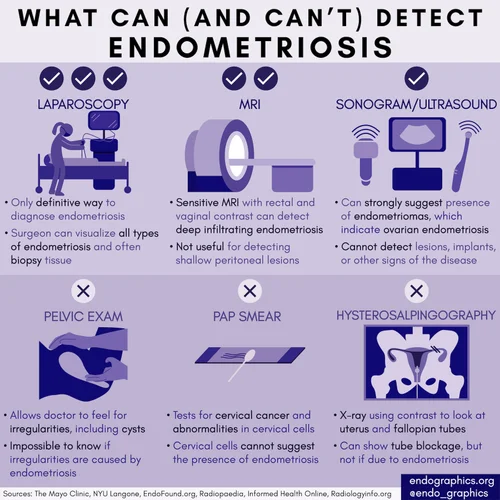
- Pelvic Exam: May reveal an enlarged, tender uterus
- Ultrasound: Transvaginal ultrasound can detect uterine wall thickening
- MRI: Most accurate imaging method for adenomyosis diagnosis
- Hysterectomy: Definitive diagnosis requires examination of the uterus post-hysterectomy
Potential Indicators
- Decidual Casts - tissue casts passed during menstruation
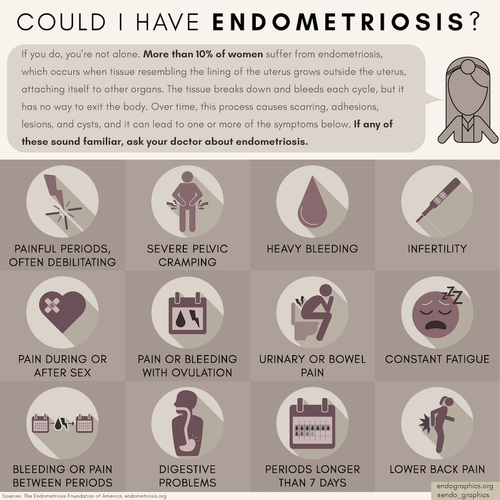
- Excessive bleeding during periods
- Chronic pelvic pain
- Uterine enlargement
Treatment Options
Medical Treatments
- Hormonal Therapy: Birth control pills, progestins, GnRH agonists
- Pain Management: NSAIDs, stronger pain medications for severe cases
- Uterine Artery Embolization: Minimally invasive procedure to reduce blood flow
Surgical Treatments
- Hysterectomy: Most effective treatment, especially for those not planning pregnancy
- Adenomyomectomy: Surgical removal of adenomyotic tissue (less common)
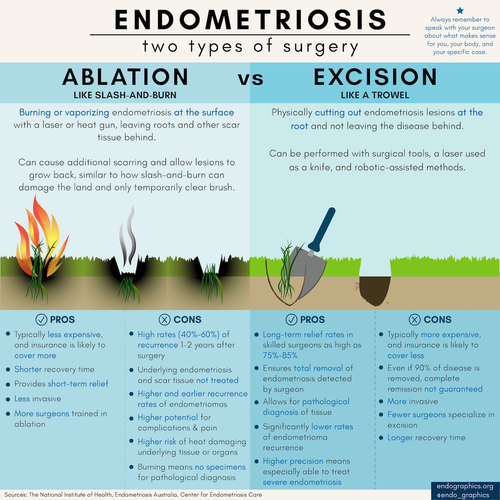
- Endometrial Ablation: For heavy bleeding (less effective for adenomyosis)
Alternative Therapies
- Physical Therapy: Pelvic floor therapy for pain management
- Dietary Changes: Anti-inflammatory diets, iron supplementation for anemia
- Complementary Medicine: Acupuncture, herbal remedies
Research and Studies
Recent Developments
- RPN-002 (nolasiban): A molecular entity being studied for adenomyosis management
- Non-hormonal Therapies: Research on alternative treatment approaches
- Fertility Impact: Studies on adenomyosis and reproductive health
Ongoing Clinical Trials
- Evaluating the efficacy of non-hormonal therapies for adenomyosis
- Research on adenomyosis and mental health impacts
- Studies on chronic pain management strategies
- Investigation of adenomyosis and cardiovascular health connections
Fertility and Pregnancy
Impact on Fertility
- Adenomyosis can affect fertility and increase miscarriage risk
- The condition may interfere with embryo implantation
- Uterine contractions may be affected
Treatment During Pregnancy
- Close monitoring during pregnancy
- Management of pain and bleeding
- Consideration of delivery method based on uterine condition
Fertility Treatments
- IVF may be recommended for those with fertility challenges
- Pre-treatment with hormonal therapy may improve outcomes
- Surgical treatment options for those planning pregnancy
Support Resources
Healthcare Providers
- iCareBetter - Specialized endometriosis and adenomyosis care
- The Yellow Hub - Patient support and resources
- Roon - Access to medical experts
Educational Resources
- Adenomyosis Advice Association
- Research articles and medical journals
- Patient support groups and forums
Advocacy Organizations
- Endometriosis Foundation of America - Also covers adenomyosis
- World Endometriosis Society - Research and education
- Regional support groups and organizations
Living with Adenomyosis
Daily Management
- Pain management strategies
- Tracking symptoms and menstrual cycles
- Dietary and lifestyle modifications
- Stress management techniques
Quality of Life
- Impact on work and daily activities
- Relationship and intimacy considerations
- Mental health support
- Support network building
Long-term Outlook
- Natural resolution after menopause
- Ongoing research and treatment advances
- Hope for improved quality of life
This information is for educational purposes only and should not replace professional medical advice. Always consult with qualified healthcare providers for diagnosis and treatment decisions.